
What Hail Damage Does to a Shingle Roof (and Why You Often Can't See It)
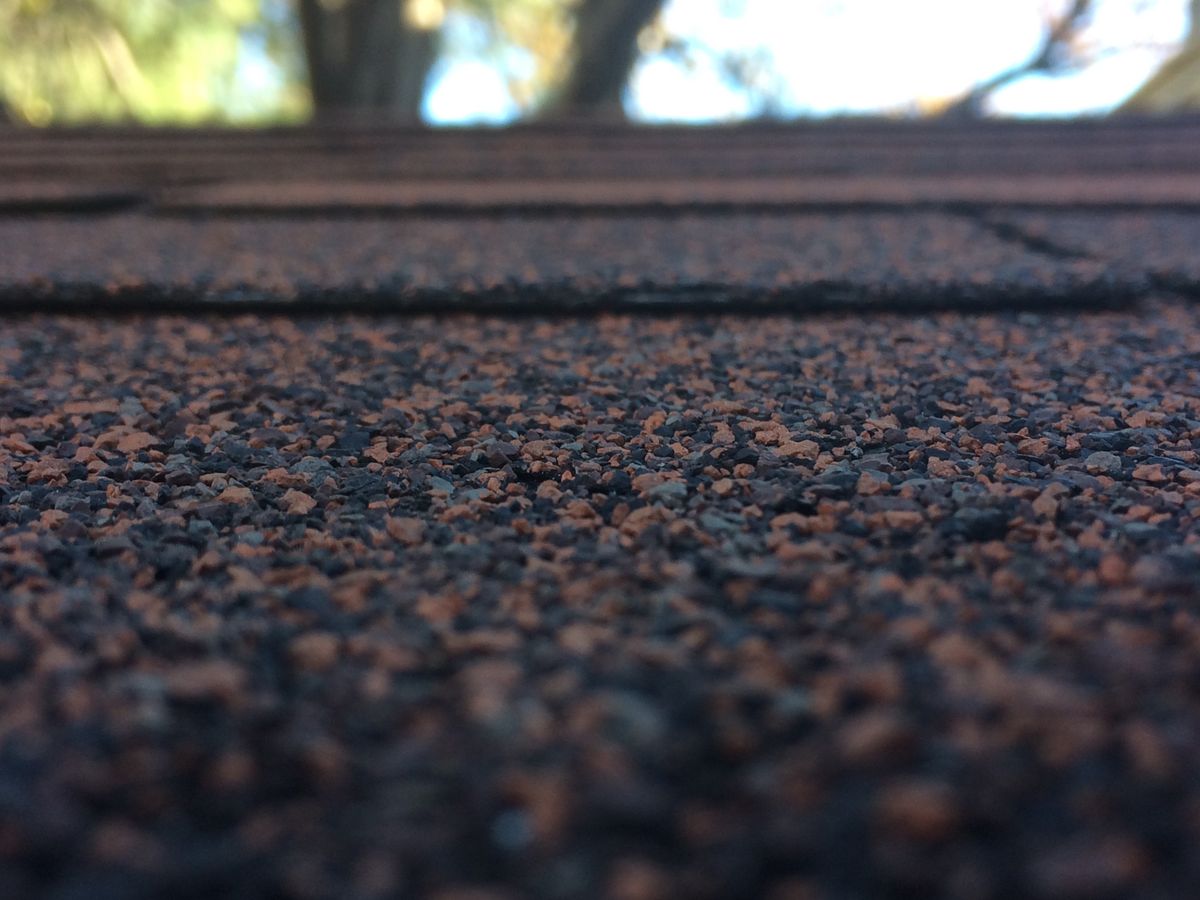
When a hailstorm rolls through, most homeowners walk outside, glance up at the roof, and see nothing obviously wrong. No missing shingles, no gaping holes — so they move on. That's exactly how hail damage does its quietest, most expensive work. The damage that matters most after a hailstorm is usually the damage you can't see from the driveway.
An asphalt shingle roof is built in layers, and hail attacks those layers without necessarily disturbing the surface enough to notice. Here's what's actually happening up there — and why a "cosmetic" hit in July can become a ceiling stain the following spring.
1. Granule loss: the roof loses its sunscreen
The gritty, colored granules coating every shingle aren't just for looks. They're the shingle's UV shield, protecting the asphalt underneath from the sun. Hail knocks those granules loose in patches. As the roofing specialists at RuFR USA put it in their guide to hail damage:
"The colored granules on a shingle are its sunscreen. Hail knocks them loose, and once the asphalt underneath is exposed, UV begins aging that shingle years ahead of schedule."
— RuFR USA, "Hail Damage," rufrusa.com/hail-damage
The easiest early warning sign is free to check: after a storm, look for a gritty pile of granules washing out at the bottom of your downspouts. If the sandpaper is collecting in the gutters, it's leaving the roof.
2. Bruising: fractures you'll never see from the ground
This is the sneaky one. A hailstone can crack the fiberglass mat at the core of the shingle without tearing the surface at all. From the ground the shingle looks perfect. Underneath, the water barrier is already broken.
"The most common form of roof hail damage, and the hardest to see: an impact fractures the shingle mat beneath the surface without tearing anything off."
— RuFR USA, "Hail Damage," rufrusa.com/hail-damage
A bruise is confirmed by touch, not sight — an inspector presses a suspected hit and feels whether the mat gives slightly. That's why a real hail inspection happens up close, on the roof, one impact at a time, rather than through binoculars from the lawn.
3. Cracks that grow — the delayed leak
Here's why hail damage is so easy to ignore and so costly to skip. The small cracks and fractures hail leaves behind don't stay small. In the mountains, every freeze-thaw cycle works water into them and pries them wider, until one day the crack finally reaches the deck.
"What looked cosmetic the week of the storm becomes an active, expensive leak months or even years later."
— RuFR USA, "Hail Damage," rufrusa.com/hail-damage
By the time the leak shows up on your ceiling, the storm that caused it may be a year or more in the past — and, critically, your insurance claim window may have closed. That gap between the damage and the symptom is the whole problem with hail.
What to look for after a hailstorm
You don't need to climb up to do a first pass. From the ground, safely, watch for:
- Granules collecting and washing out of your gutters and downspouts
- Dents on metal vents, flashing, gutters, and downspouts (soft metal is the best visible evidence)
- Small, dark impact marks scattered randomly across the shingles
- Soft or spongy spots where the granules have been knocked away
As RuFR notes on their site, the damage often hides in plain sight:
"Hail damage on a roof often hides. You might not see missing shingles from the ground, but the protective surface can be quietly compromised — and it gets worse with every season until it finally leaks."
— RuFR USA, "Hail Damage," rufrusa.com/hail-damage
One more tip: please stay off the roof. Wet or hail-scattered shingles are genuinely dangerous to walk on, and you can damage a compromised roof further just by getting up there. The up-close inspection is a job for a pro.
Where a roof inspection fits in your maintenance plan
At HandymanHomePlan, our whole philosophy is that the cheapest repair is the one you catch early. A roof is the single most expensive thing hanging over your head, and hail is one of the few threats that can quietly cut years off its life without leaving an obvious mark. That's exactly the kind of risk a good home-maintenance plan is built to flag: after any significant hailstorm, a professional roof inspection belongs on your list — ideally within the claim window, not after the leak.
If you're in Western North Carolina and a storm just came through, getting a set of trained eyes on the roof while the evidence is fresh is the smart move. RuFR USA offers free hail-damage roof inspections across the region, documented the same way an insurance carrier would — a sensible first call when you suspect your roof took a hit but can't tell from the ground.
Not sure what your home needs, or when?
HandymanHomePlan builds a personalized maintenance plan from a few photos of your house — so roof checks, gutter cleanings, and seasonal tasks never fall through the cracks.